

Durban Port Congestion Nears 20 Days! South African Automotive Giant Warns of Potential Production Shutdowns as Shipping Risks Escalate

Severe congestion at Durban Port, South Africa's largest container port, is pushing the country's automotive industry to the brink. Metair Investments, a South African automotive components manufacturer supplying Volkswagen, Ford and Toyota, warned in an operational and trading update on November 13 that cargo backlogs at the Durban Gateway Terminal (DGT) had reached nearly 20 days, potentially forcing the company to invoke force majeure clauses in its contracts. Following the announcement, Metair's share price plunged approximately 35% that day, wiping out nearly half of its market value.
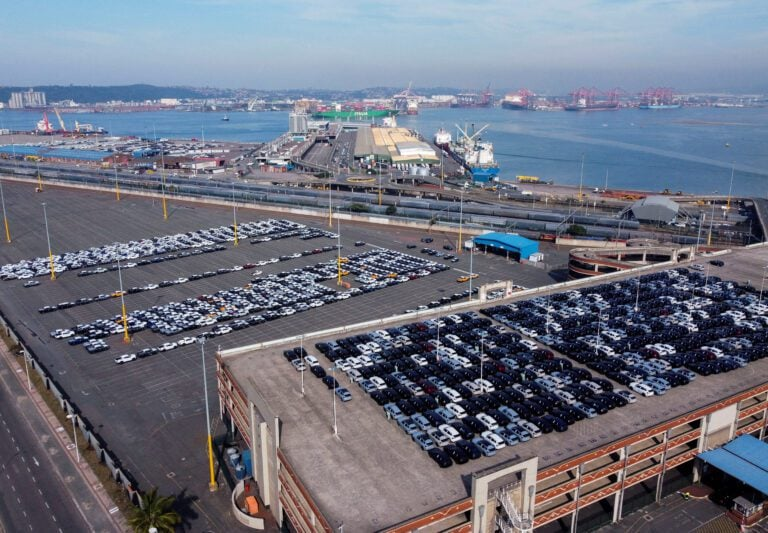
Durban Port has long ranked among the world's least efficient container ports. In January 2026, the South African government brought in International Container Terminal Services Inc. (ICTSI) to operate Durban Gateway Terminal, hoping to turn the situation around through private-sector involvement. However, Transport Minister Barbara Creecy told Parliament last month that vessel waiting times had almost doubled following the launch of ICTSI's new operating system.
In its regulatory filing, Metair said the new terminal operating system had severely disrupted container handling operations, with equipment breakdowns and insufficient quay crane availability further worsening the situation.
Renai Moothilal, CEO of South Africa's National Association of Automotive Component and Allied Manufacturers (NAACAM), said port congestion was having a widespread impact on the automotive manufacturing value chain and undermining the competitiveness of South African automakers.
In a statement on Friday, DGT CEO Javier Larrache said the new operating system platform had now stabilised. The company is scheduled to meet with NAACAM members on Monday to discuss the operational disruptions.
Further Developments: Recovery Timeline Uncertain as Alternative Transport Costs Soar
Metair disclosed that since August 2026, it had been forced to use air freight as an alternative logistics solution. The associated costs were described as "extremely high".
Delivery delays have also resulted in substantial overtime expenses as the company works to meet customer commitments, while one customer's production line was temporarily shut down.
The company estimates that additional costs incurred in the 2026 financial year will amount to 20%–25% of the previous year's EBITDA, excluding exceptional items. These costs cannot be passed on to customers.
Metair further warned that substantial improvements at Durban Port may not materialise before the end of the first quarter of 2027.
According to Business Day, DGT has committed to investing more than ZAR 2 billion over the next three years in equipment modernisation and infrastructure upgrades. Plans include purchasing hybrid rubber-tyred gantry cranes and expanding yard capacity.
Industry Implications
For Chinese shipping companies and freight forwarders involved in South African trade, two operational developments deserve particular attention.
First, vessel waiting times at Durban Port have increased significantly compared with the targets set earlier this year. Declining schedule reliability means that actual arrival times may deviate considerably from those initially confirmed at the time of booking. Shipping companies and freight forwarders should therefore clearly define congestion-related liability exemptions and cost-sharing arrangements in their contracts.
Second, the possibility of Metair invoking force majeure could have a wider knock-on effect across the supply chain. If more automotive manufacturers follow suit, imports of automotive components through Durban could contract temporarily or shift towards air freight.
At the same time, export operations could also be affected. Congestion in the container yards may undermine cargo handling efficiency for South African exports to China, including mineral products and agricultural commodities.
Relevant parties are advised to closely monitor official updates following Monday's meeting between DGT and NAACAM, as well as weekly logistics updates published by the South African Association of Freight Forwarders (SAAFF). These developments will be important reference points when adjusting port call schedules and container free-time arrangements.