

Section 301 Pressure Takes Effect: Vietnam’s Amended Customs Law to Bring Transit Cargo and E-Commerce Goods Under Proactive Supervision

On August 23, the first extraordinary session of the 16th National Assembly of Vietnam passed the Law Amending and Supplementing Certain Provisions of the Customs Law with 471 votes in favor, representing a 94.2% approval rate. The amended law will officially take effect on March 1, 2027.
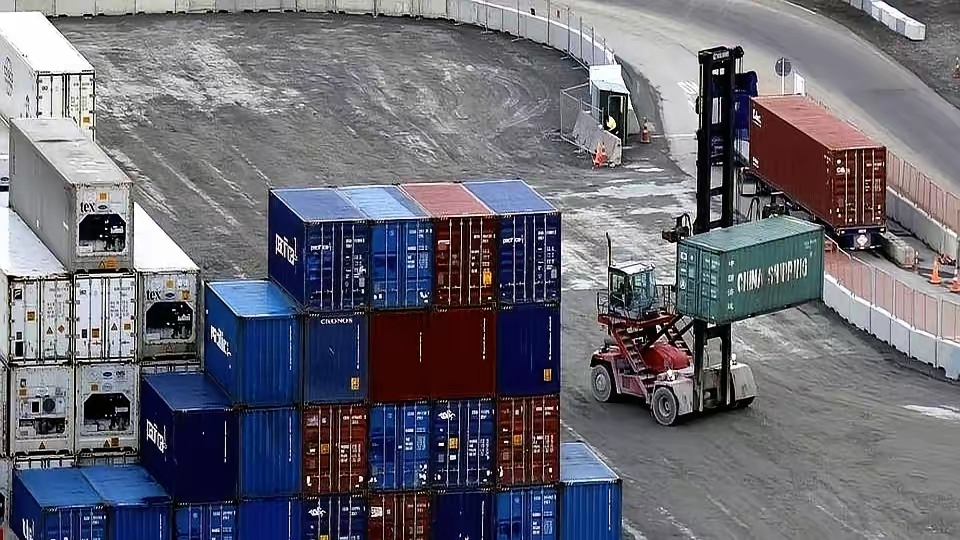
The amendment is widely viewed as a direct response to US trade pressure, with Vietnam’s customs enforcement shifting from a model that “relies primarily on rights holders to initiate action” toward proactive risk prevention and control.
Three Key Areas of Amendment
First, customs’ power to proactively intercept goods has been significantly expanded.
Under the amended law, customs officers will have the authority to proactively suspend customs clearance procedures when they identify clear signs that imported, exported or transit goods are counterfeit or infringe intellectual property rights, without waiting for an application from the rights holder.
Previously, customs intervention powers applied only to import and export goods. The amendment explicitly brings “transit goods” within the scope of customs supervision.
Second, a regulatory framework for cross-border e-commerce has been established for the first time.
New Article 16a stipulates that goods imported or exported through e-commerce platforms must complete customs procedures and be subject to customs supervision. Platform operators and logistics service providers will be required to provide customs authorities with relevant transaction and logistics information.
Individuals in Vietnam purchasing or selling goods with overseas parties through e-commerce platforms will also be required to undergo electronic identity identification and authentication, helping close loopholes involving order splitting to evade taxes.
Third, digitalization and risk management will be upgraded simultaneously.
The law explicitly allows customs authorities to use big data and artificial intelligence for risk management. Data already shared through Vietnam’s National Single Window will no longer require companies to repeatedly submit paper documents.
US Pressure Becomes a Direct Driver of the Amendment
On April 30, 2026, the Office of the US Trade Representative (USTR) released its 2026 Special 301 Report, placing Vietnam on the “Priority Foreign Country” list for the first time in 13 years, the highest level of concern under the Special 301 framework.
On May 29, 2026, USTR formally launched a Section 301 investigation into Vietnam’s intellectual property protection and enforcement based on the report.
The allegations cover inadequate enforcement against online piracy and counterfeit goods, insufficient border enforcement, and gaps in the supervision of transit goods.
The United States has launched multiple Section 301 investigations involving Vietnam. If an investigation determines that Vietnam’s practices constitute actionable conduct, the US government may impose additional tariffs or take other trade-restrictive measures.
Enforcement Data and Effective Date
According to Vietnamese customs data, authorities investigated 81,988 intellectual property and counterfeit-related violations between 2021 and 2025 and initiated criminal investigations in 176 cases.
During the first seven months of 2026, authorities handled 13,413 cases and initiated criminal investigations in seven cases.
The amended law will take effect on March 1, 2027, providing businesses with approximately six months to prepare for the new requirements.
Industry Implications
The amendment directly addresses concerns raised in the US Section 301 investigation, with Vietnam simultaneously tightening controls in five major areas: customs, rules of origin, intellectual property, e-commerce platforms and taxation.
For Chinese shipping and trading companies, the inclusion of “transit goods” in proactive customs supervision represents a new compliance risk. Containerized cargo transiting through Vietnam may face stricter intellectual property inspections.
Relevant companies should:
- Review the intellectual property compliance status of goods exported to Vietnam or transiting through Vietnam.
- Ensure that e-commerce transaction information is properly reported to Vietnamese customs where required.
- Closely monitor the follow-up to the US Section 301 investigation and its potential tariff impact on processing and trade activities in Vietnam.