

Panama Canal Transit Slot Auction Hits Nearly $4 Million, Seaspan Benefactor Secures Priority Passage

The ongoing Iran war has forced a restructuring of global shipping networks, causing severe congestion at the Panama Canal. According to people familiar with the matter, the owner of the container vessel “Seaspan Benefactor” paid nearly $4 million through the canal’s auction system to secure priority transit rights, approaching the historical high for Panama Canal auction fees.
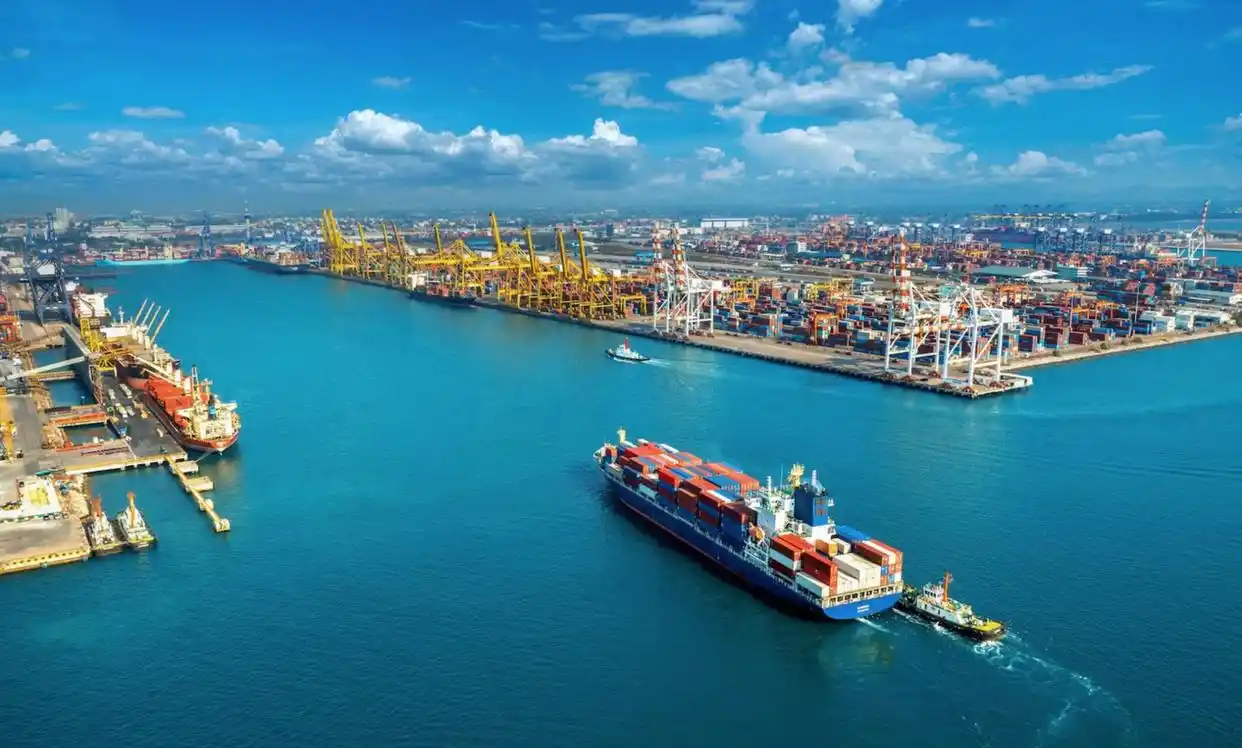
1. $4 Million Priority Fee: Shipping Companies Compete for Scarce Transit Slots
According to Bloomberg, the container ship obtained priority transit access through the Panama Canal Authority’s auction system on August 11, 2026. Since auction data is not publicly disclosed, the sources requested anonymity. Seaspan declined to comment.
Under normal circumstances, vessels can cross the canal by making reservations and paying standard transit fees. However, the Panama Canal Authority also operates an auction mechanism that allows shipowners to bid for priority transit slots and bypass waiting queues.
According to a document reviewed by Bloomberg, the $4 million payment made by Seaspan Benefactor was more than double the average auction price over the previous seven days.
This was not an isolated case. According to the Financial Times, in early August 2026, the average daily auction price for transit rights at major Panama Canal locks reached approximately $1.1 million, more than 16 times higher than the average level during the same period in 2025.
The average winning bid for larger vessel slots has recently remained around $2.5 million, while individual auction slots at the end of July reached $2.63 million and $3.78 million.
The Panama Canal Authority stated that auction prices have increased due to changes in global trade supply and demand. The authority confirmed that some auctioned slots exceeded $1 million but declined to comment on the specific $4 million transaction or identify the vessel owner.
2. Root Cause of Congestion: Iran War Reshapes Global Shipping Routes
The primary driver behind the congestion is geopolitical disruption.
Since the United States and Israel launched military strikes against Iran on February 28, 2026, transit through the Strait of Hormuz has been severely restricted, followed by restrictions affecting the Bab el-Mandeb Strait.
The disruption of these two critical maritime chokepoints has forced traders of oil, natural gas, fertilizers, and chemicals in Asia to seek alternative routes. The Panama Canal, as a key link between the Pacific and Atlantic Oceans, has become a major option for rerouting.
According to energy data provider Argus Media, waiting times for new Panamax vessels—including LPG, LNG, crude oil, and refined product carriers—have reached 10 days, the highest level since May 2026.
The Financial Times reported that by early August, the number of commercial vessels waiting to enter the canal had increased to nearly 113 ships, compared with around 40 ships in early January.
3. Multiple Factors Combine: Maintenance and Climate Restrictions Further Tighten Capacity
In addition to geopolitical factors, several other issues have intensified congestion:
- Lock maintenance: The Panama Canal Authority is carrying out maintenance work on the new Panamax locks, expected to continue until September 2026.
- Drought-related restrictions: Due to lower-than-expected rainfall influenced by the El Niño phenomenon, the canal has recently reduced the maximum allowable draft for vessels using the new Panamax locks.
Panama Canal Authority Administrator Ricaurte Vásquez previously stated that the surge in auction prices mainly reflects shipping companies’ willingness to bid in order to avoid schedule delays, rather than an increase in official canal fees.
4. Industry Outlook
The emergence of a $4 million priority transit fee indicates that Panama Canal access has evolved from a basic infrastructure service into a scarce and highly valued logistics asset.
For Chinese shipping companies and logistics operators involved in Asia-Americas and Asia-US Gulf routes, the following factors require attention:
- Plan transit windows in advance:
Current waiting times for new Panamax vessels have extended to 10 days. Sufficient schedule buffers should be included in route planning. - Assess cost pass-through risks:
The $4 million priority fee will ultimately be reflected in cargo costs, creating additional upward pressure on unit freight rates, especially on Asia-US East Coast services. - Evaluate alternative routes:
For cargo with less stringent delivery requirements, companies may assess alternatives such as the Suez Canal or Cape of Good Hope routes, while considering security risks in the Red Sea and along the African coast. - Monitor Panama Canal policy changes:
Draft restrictions, lock maintenance progress, and auction price trends remain key factors affecting transit decisions.